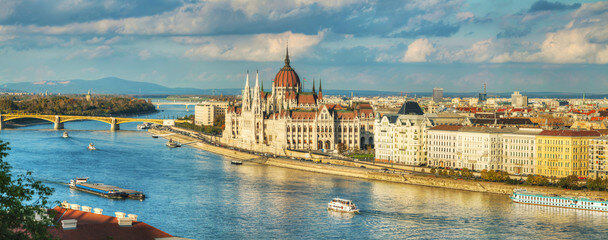
The White House confirmed that President Trump has granted Hungary a temporary exemption from U.S. sanctions on imports of Russian oil, providing a significant diplomatic win for Prime Minister Viktor Orbán amid mounting pressure over Budapest’s energy ties to Moscow.
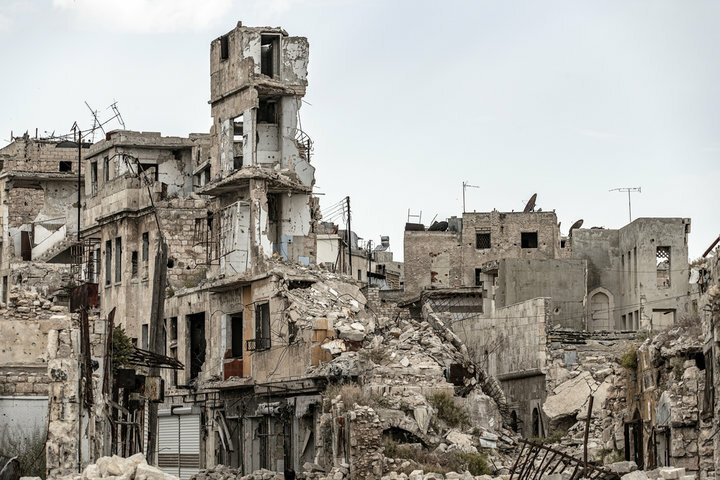
The U.S. Treasury Department has removed two senior Syrian figures from its Specially Designated Nationals (SDN) List, signaling a major shift in sanctions policy toward Damascus. The delistings cover Anas Hasan Khattab and Abu Muhammad al-Jawlani, both formerly tied to jihadist groups and now central to Syria’s transitional government.
Office of Trade Sanctions Implementation has published new guidance on countering Russian sanctions evasion targeted specifically at businesses operating in the freight and shipping sector.
Treasury’s Office of Foreign Assets Control (OFAC) has removed sanctions on a group of Bosnian Serb political leaders, family members, and affiliated companies previously designated under Executive Order 14033 for attempts to undermine the 1995 Dayton Peace Agreement and destabilize Bosnia and Herzegovina’s constitutional order.
The U.S. Treasury Department on Friday sanctioned Colombian President Gustavo Petro, accusing him of enabling narcotics trafficking networks and failing to curb record cocaine production.
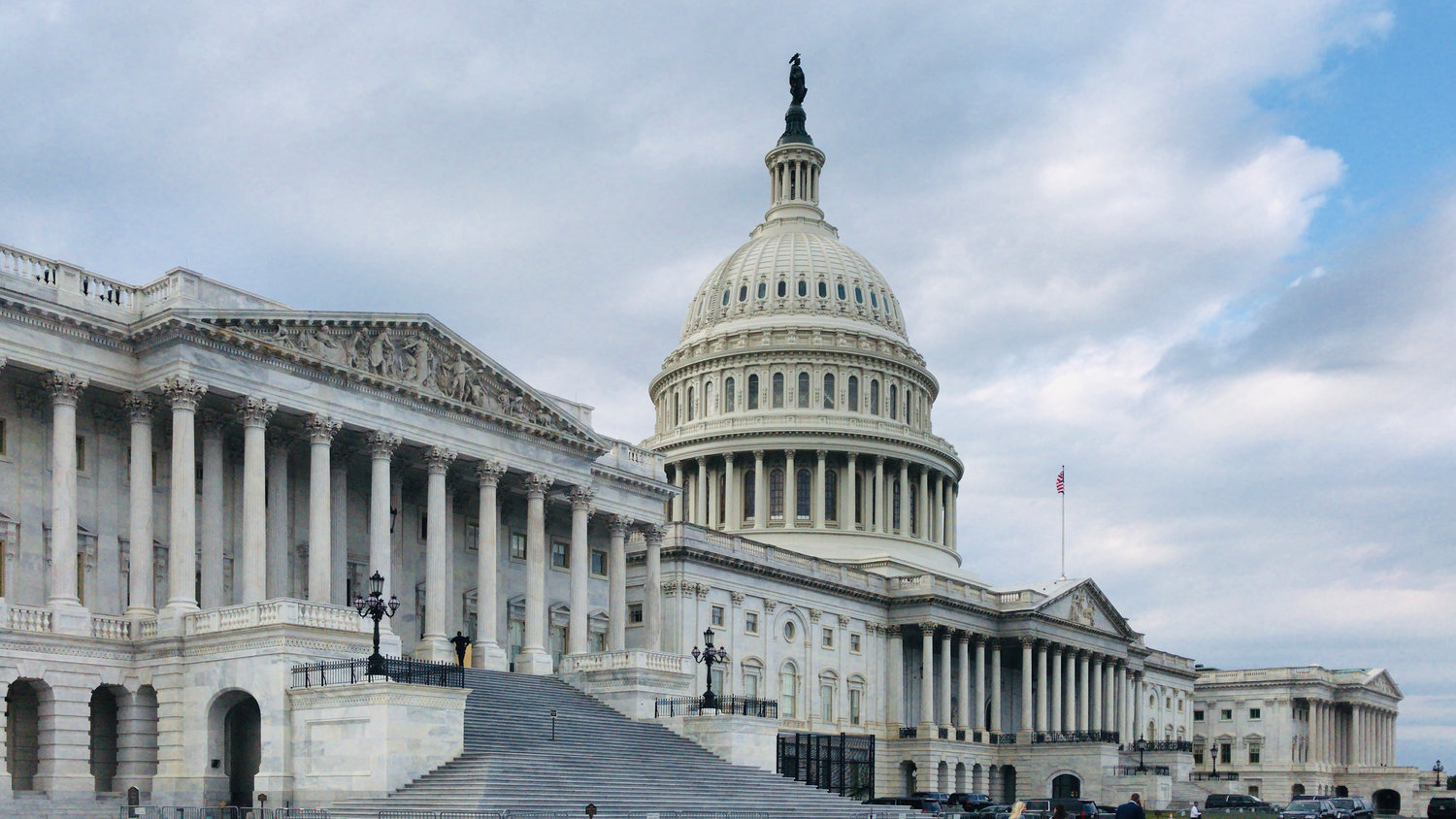
The Senate Foreign Relations Committee on Wednesday approved bipartisan national security legislation aimed at expanding U.S. export controls on China and Russia, strengthening sanctions enforcement, accelerating military cooperation with allies, and directing frozen Russian assets to support Ukraine. Importantly, the committee failed to advance comprehensive Russia sanctions.
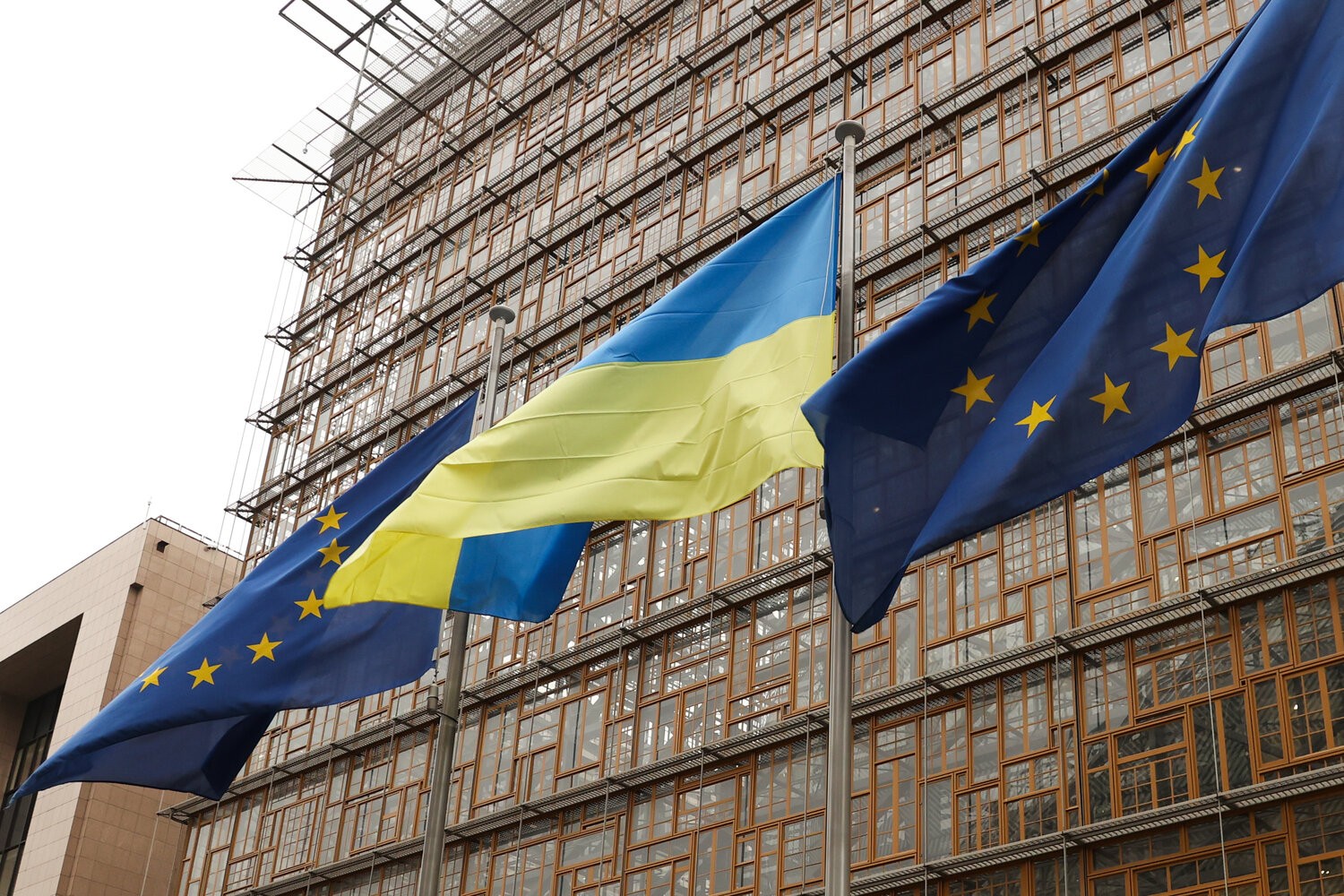
The European Union has adopted its 19th sanctions package against Russia, introducing expansive restrictions across the energy, financial, maritime, technology and diplomatic sectors, while also extending measures against Belarus for its support of Russia’s war effort.

Thursday, the U.S. Department of the Treasury’s Office of Foreign Assets Control (OFAC) designated Rosneft and Lukoil, Russia’s two largest oil producers, along with a broad network of their subsidiaries, under Executive Order 14024. The action imposes full blocking sanctions on these entities due to their operation in the energy sector of the Russian Federation.

The Trump administration has quietly removed four Bosnian Serb individuals from the U.S. Treasury Department’s Specially Designated Nationals (SDN) List, reversing sanctions imposed under Executive Order 14033, which targets actors undermining democratic institutions and the Dayton Peace Agreement in Bosnia and Herzegovina.
The United Kingdom announced a major expansion of sanctions on October 15 targeting Russia’s oil industry and its global support networks in a bid to choke funding for the Kremlin’s war efforts.
The United States and United Kingdom on Tuesday announced their most extensive joint sanctions action to date against transnational cybercrime networks in Southeast Asia, targeting groups accused of operating large-scale “pig-butchering” and investment-fraud schemes that have defrauded victims worldwide and relied on trafficked labor.
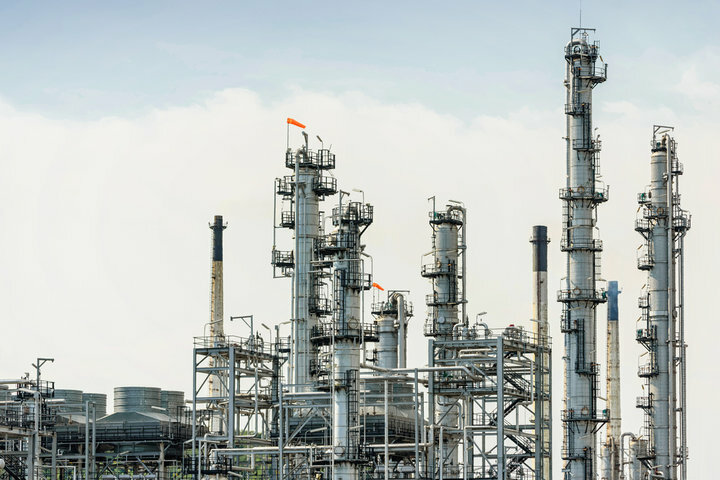
U.S. sanctions on Naftna Industrija Srbije (NIS), Serbia’s sole oil refiner and largest energy company, took legal effect on October 9 after repeated postponements, ending months of temporary waivers that had allowed continued operations despite majority ownership by Russia’s Gazprom Neft. Treasury's Office of Foreign Assets Control (OFAC) confirmed the enforcement following eight extensions since NIS was added to the Specially Designated Nationals (SDN) list in January for its “secondary-risk” Russian ownership.
The U.S. Treasury Department’s Office of Foreign Assets Control (OFAC) imposed new sanctions targeting individuals and entities aiding Iran’s efforts to evade sanctions, smuggle arms, and corrupt Iraq’s financial system. The designations focus on Iraqi militia proxies, including Kata’ib Hizballah, held responsible for attacks that killed U.S. personnel and destabilized Iraq’s government and economy.
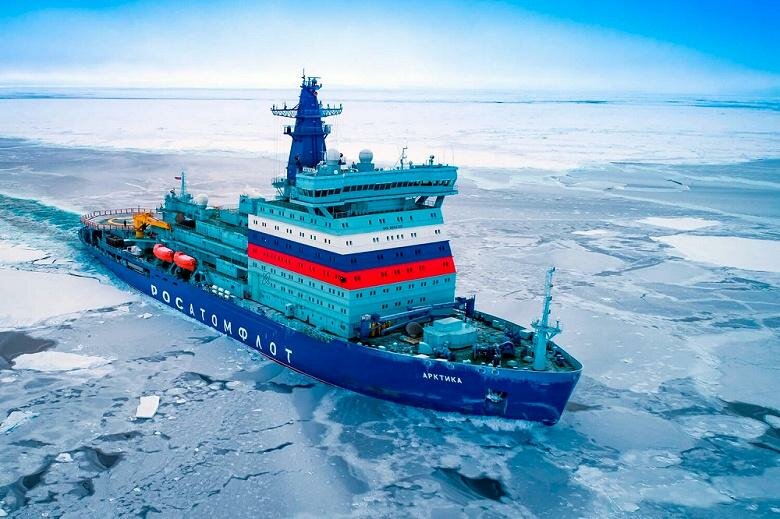
The U.S. Department of the Treasury’s Office of Foreign Assets Control (OFAC) on Thursday sanctioned more than 50 individuals, entities, and vessels accused of facilitating billions of dollars in Iranian oil and liquefied petroleum gas (LPG) exports. At the same time, Treasury lifted sanctions on a supplier to Russia's nuclear icebreaker fleet.

The Commerce Department’s Bureau of Industry and Security (BIS) has added 29 parties to the Entity List, citing diversion of U.S.-origin items to Iran and procurement of components for unmanned aerial vehicles used by Iranian proxies. The additions, effective October 8, 2025, cover 26 entities and three addresses in China, Turkey, and the United Arab Emirates.
President Donald Trump has extended the national emergency with respect to the situation in and in relation to Syria, ensuring that sanctions and related authorities remain in force for another year.
Treasury’s Office of Foreign Assets Control (OFAC) sanctioned 21 entities and 17 individuals supporting Iran’s ballistic missile and military aircraft programs. The action, taken with the Departments of State, Homeland Security, and the FBI, follows the Sept. 27 snapback of U.N. sanctions on Iran.

The U.S. Treasury Department’s Office of Foreign Assets Control (OFAC) on Thursday sanctioned five individuals and one company for facilitating weapons sales between North Korea and Burma’s military regime.

The European Union proposed its 19th package of sanctions against Russia, expanding restrictions across energy, finance, shipping, and technology in an effort to further degrade Moscow’s capacity to sustain its war against Ukraine. The package includes a full transaction ban on Russian banks and financial institutions, including those operating through third countries, and extends sanctions to companies aiding circumvention, revenue generation, and the Russian military industry.
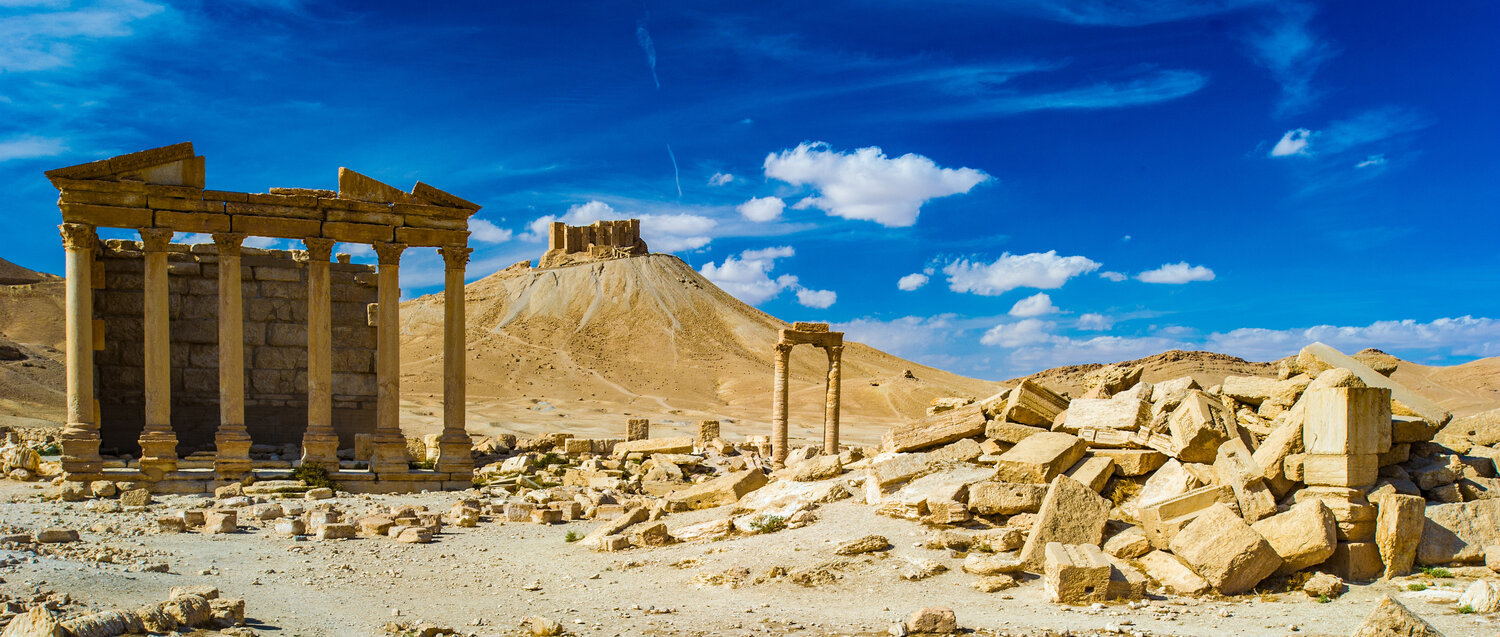
Syrian President Ahmed al-Sharaa on Monday urged the United States to formally repeal sanctions imposed under the 2019 Caesar Syria Civilian Protection Act, even as Senator Lindsey Graham (R-S.C.) quietly advances an amendment that would make them permanent.