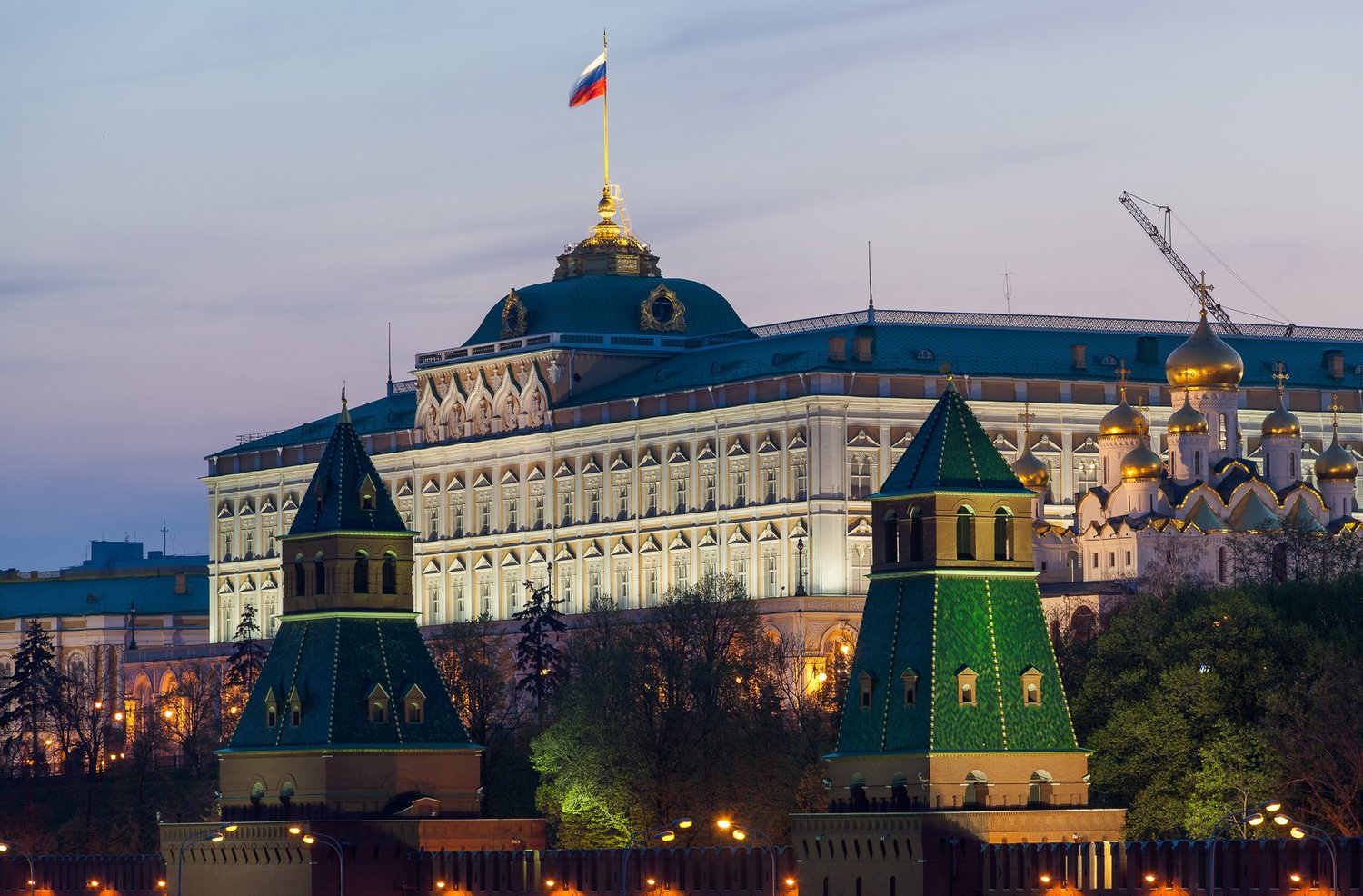
The Sanctioning Russia Act of 2025 (S. 1241 / H.R. 2548), one of the most far-reaching sanctions packages proposed since Russia’s invasion of Ukraine, remains in committee despite commanding overwhelming bipartisan support. The bill’s fate hinges on the White House, where President Donald Trump has signaled he will decide “in a couple of weeks” whether to endorse aggressive new sanctions, sweeping tariffs, or a more restrained approach.
Introduced on April 1, 2025 by Sen. Lindsey Graham (R‑S.C.) and Rep. Brian Fitzpatrick (R‑Pa.), the legislation has drawn 84 Senate cosponsors and nearly 90 in the House, securing veto-proof majorities in both chambers.
Despite this backing, Senate Majority Leader John Thune (R‑S.D.) has yet to schedule a floor vote. The Senate adjourned for August recess without advancing the bill, pushing consideration into September. Thune has emphasized the need to “coordinate closely with the White House” before committing to floor action.
The legislation targets Russia’s financial system, state-owned enterprises, and energy revenues with unprecedented measures:
The Trump administration has signaled it is keeping all options open while pursuing parallel ceasefire negotiations with Russian President Vladimir Putin, including doing nothing.
Speaking to reporters Friday, President Trump said he expects to decide within “a couple of weeks” whether to back the bill’s sweeping measures or pursue alternatives: “A couple of weeks,” the President said. “It takes two to tango, you understand that.”
Well then I’m going to make a decision as to what we do. It’s going to be a very important decision. And that’s whether or not it’s massive sanctions or massive tariffs or both. Or do we do nothing and say it’s your fight?”
Appearing on NBC’s Meet the Press Sunday, Vice President J.D. Vance stressed that sanctions remain under active consideration but are no longer intended to stymie the Kremlin's warfighting capabilities.
“No, sanctions aren’t off the table. But we’re going to make these determinations on a case-by-case basis. What do we think is actually going to exert the right kind of leverage to bring the Russians to the table? [...] The president of the United States has a lot of cards left to play to apply pressure to try to bring this conflict to a close, and that’s what we’re going to do.”
The bill’s sweeping tariff regime has drawn mixed reactions abroad:
Broad secondary tariffs could strain relations with these and other countries.
The bill’s prospects will become more clear when lawmakers return from recess in September:



Comments
No comments on this item Please log in to comment by clicking here