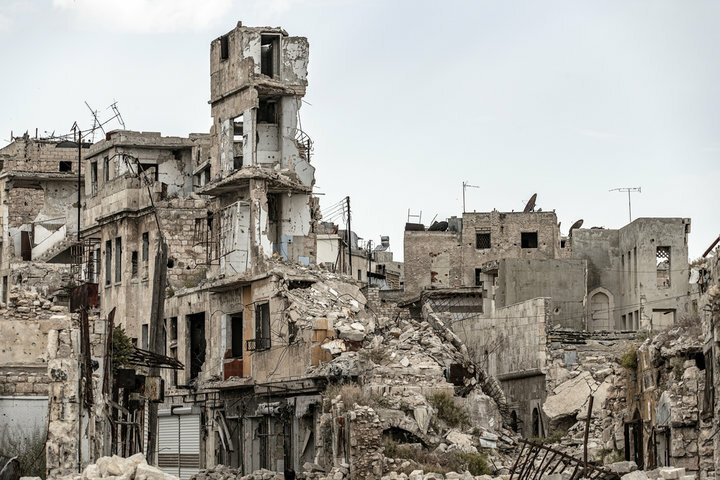
The U.S. Treasury Department said Tuesday that Syria-related sanctions now target only “the worst of the worst,” following publication of an amended Tri-Seal Advisory reflecting the repeal of the Caesar Syria Civilian Protection Act of 2019.
In a joint update, the U.S. Department of State, the U.S. Department of Commerce, and the Treasury Department’s Office of Foreign Assets Control confirmed that comprehensive U.S. sanctions on Syria have been lifted, clearing most civilian trade and financial activity while retaining restrictions on senior regime figures, human-rights abusers, narcotics traffickers, terrorist affiliates, and other destabilizing actors .
The advisory states that U.S. sanctions “no longer act as a barrier to most business involving Syria,” following President Trump’s May announcement and a June executive order terminating the Syria sanctions program.
Congress formally repealed the Caesar Act in legislation signed Dec. 18, removing mandatory secondary sanctions that had deterred foreign engagement in Syria’s infrastructure and energy sectors .
Despite the broad rollback, Treasury emphasized that sanctions remain in force under Executive Order 13894, the Promoting Accountability for Assad and Regional Stabilization Sanctions (PAARSS) authority. Those measures continue to target Bashar al-Assad and close associates, individuals linked to past proliferation activities, captagon traffickers, ISIS and al-Qa’ida affiliates, and Iran-linked actors operating in Syria.
Export controls also persist. Most Commerce Control List items still require U.S. licenses, though the Commerce Department has eased licensing for predominantly civilian, dual-use goods and certain communications, aviation, sanitation, and power-generation items, subject to case-by-case review.
OFAC simultaneously updated the Specially Designated Nationals and Blocked Persons List to reflect the Caesar Act repeal. Numerous Syria-related entries—including exchange houses, petroleum and logistics firms, real-estate companies, shipping entities, and associated individuals—were amended to remove “SYRIA-CAESAR” tags while retaining designations under PAARSS authorities. The changes narrow the legal basis for blocking but do not lift sanctions where PAARSS designations remain in effect.
Treasury highlighted Syria General License 25, which authorizes certain transactions with Syrian governing institutions even if leadership remains designated, and noted parallel State Department actions, including waivers under the Chemical and Biological Weapons Control and Warfare Elimination Act and the revocation of the Foreign Terrorist Organization designation for Hay’at Tahrir al-Sham earlier this year.
The administration said it will continue issuing guidance to banks and companies as Syria reopens to commercial engagement, while retaining authorities under the International Emergency Economic Powers Act and the Export Control Reform Act to reimpose controls if conditions warrant.


Comments
No comments on this item Please log in to comment by clicking here